Few innovations in architectural lighting have had the impact of LED tape.
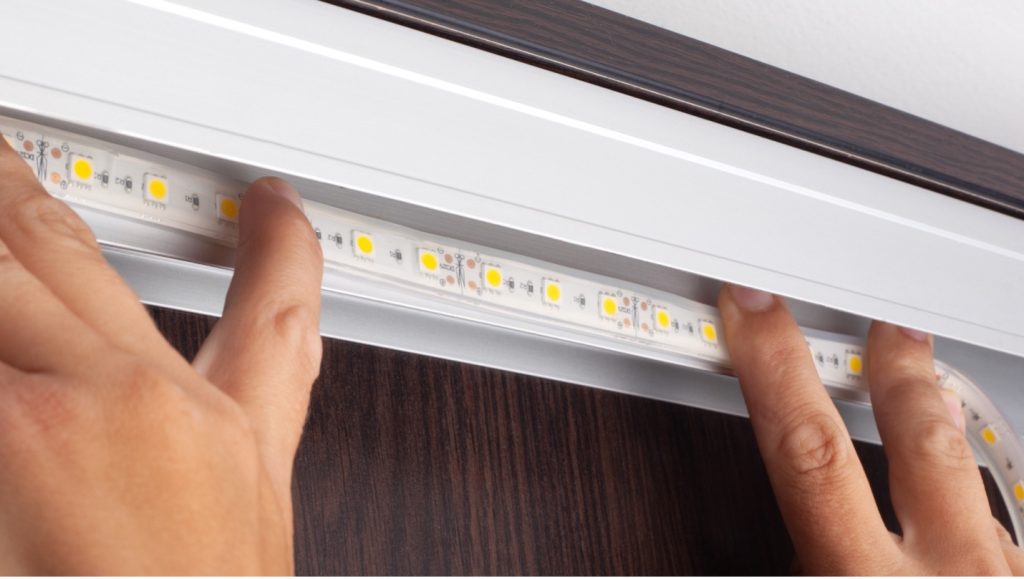
The Rock Star of Linear Lighting
Every musical headliner has a team of roadies, techs and audio experts – consider them the supporting cast that makes sure a concert goes off without any problems and the performers are standing upright! In linear lighting, LED Tape may be getting the applause, but the channel is what allows it to perform night after night.
Understanding that the LED tape that you’re specifying is the first step toward choosing the channel that will let the LED tape shine – that’s your starting point.
It helps to understand exactly what the LED tape is being asked to do. Is it washing a wall or defining the junction of wall and ceiling with soft indirect light? Maybe providing task light on a kitchen counter while illuminating a colorful, textural backsplash? Illuminating a display case? Illuminating outdoor architectural details? LED tape can perform all of these functions and more. Mounting it in a channel preserves and protects those functions.
Each application places different demands on the lighting system, and those demands often determine the ideal channel.
LED tape width is one of the first considerations. Some installations call for a narrow COB strip that disappears into the smallest architectural detail, while others require wider LED tape populated with more LEDs to produce greater light output and smoother illumination. Our LED-CHL-W is perfect for wider LED tape. A properly sized channel provides the correct fit, supports the lens securely, and presents the finished installation with the clean, professional appearance that distinguishes specification-grade lighting.
This is GM Lighting’s commitment to the LED tape installer: A channel that perfectly conforms to the LED tape specified, in both size, installation method, and function.
The Difference Between Lighting, and Architectural Lighting.
Lighting specifiers are fixed on performance, and here is where channels sing! Higher-output LED tape naturally generates more heat, and heat is the enemy of long-term LED performance. One of aluminum’s greatest strengths is its ability to act as a heat sink, drawing heat away from the LEDs and dissipating it into the surrounding air. This helps maintain lumen output, preserve color consistency, and extend the operating life of the lighting system. The harder the tape works, the more valuable effective thermal management becomes.
Then there is the matter of optics. A channel is much more than an aluminum extrusion. It works together with the lens to shape the finished result. Frosted lenses soften diode imaging for seamless lines of light. Clear lenses maximize light transmission where every lumen counts. Deeper channels can virtually eliminate LED “diode imaging”, thus creating the continuous and seamless illumination architects and designers increasingly specify.
Mounting challenges also determine the type of channel used. Mud-in channels are constructed with perforated ‘collars’ that allow mud-in compounds to firmly work within the channel construction to become a part of the wall or surface that the channel is being built into.
Channel color also can determine an ‘architectural-quality’ installation. GM Lighting provides channels not only in aluminum, but also in white or black. Imagine a pristine installation where the channel fades into the architecture, as opposed to the architecture being interrupted by the look of an aluminum channel. GM Lighting’s impressive history of working with some of the most renown architects and lighting designers is legend in the lighting and construction industries – no matter if it is for a chain of national brand restaurants, or some of the most luxurious hotels in the world.
The best-performing linear lighting systems are never the result of selecting LED tape first and hoping a channel will fit. They begin by understanding the lighting objective, choosing the appropriate LED tape, and then pairing it with a channel engineered to support that tape’s performance, appearance, and longevity. When the tape and channel are working together as a system, both deliver their best performance.
This is how GM Lighting became a major supplier of LED tape and LED Tape mounting channels. That’s exactly how linear lighting was meant to perform. Take a bow!
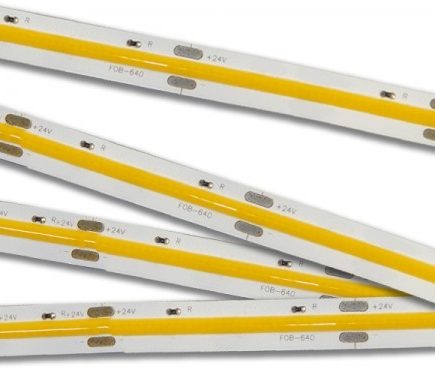
GM Lighting’s Specification Series features the newest technology in LED flexible tape. Chip On Board (COB) LED is the new state of the art linear LED system that encapsulates tightly spaced individual diodes into one linear light display. COB Tape features a wider beam spread – 180°! Works with standard dimmers and is available in a 16′-4″ (5M) reel. 24VDC...
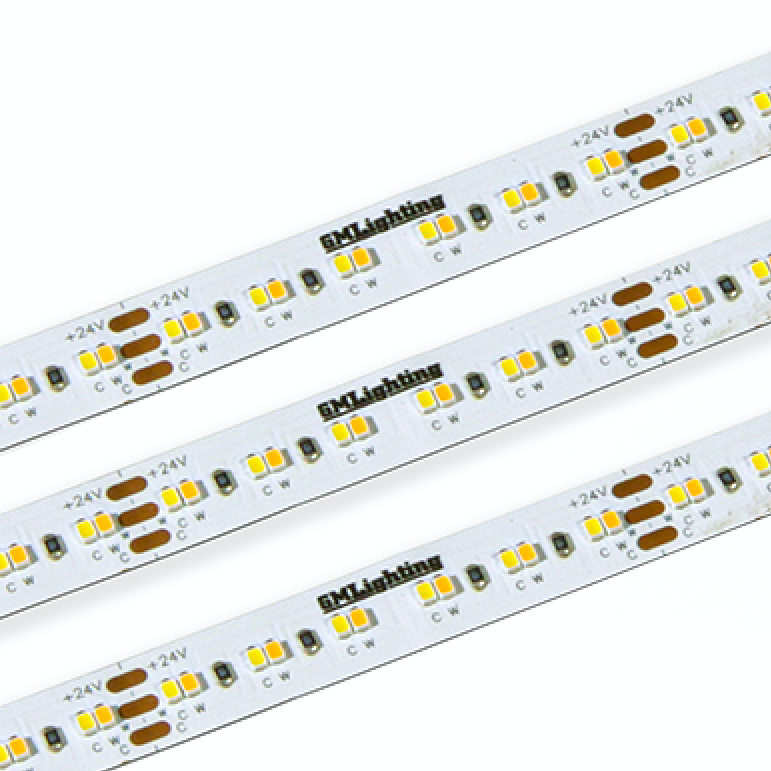
Tunable white enables light to be ‘fine tuned’ over a spectrum of white color temps, therefore allowing subtle to stark ambiance changes to match the mood, the event, or the subject illuminated. Our Tunable White LED Tape can be adjusted from 2400K to 5000K through the use of a WiFi controller (ordered separately). Rated at 1.5W, 3W, 5W per foot...
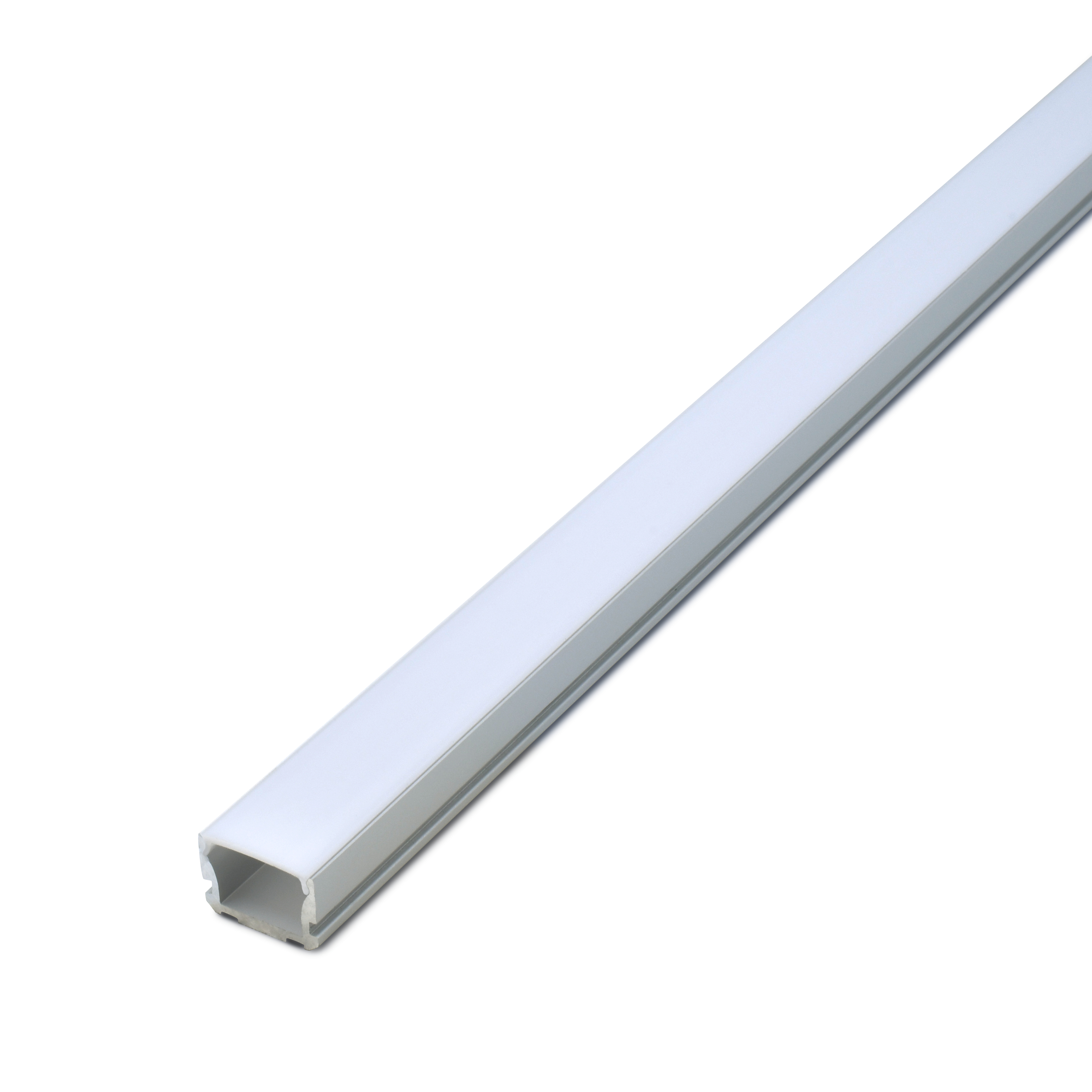
The LED-CHL2 standard channel has an updated designed to seamlessly integrate with most low voltage GM Lighting LED tapes and EST connectors for easy installation. GM Lighting’s aluminum channels accepts all GM Lighting LEDTask flexible LED Linear tape. Perfect for installations that require a rigid extruded channel that the LED tape can be mounted into. Each channel and lens can...
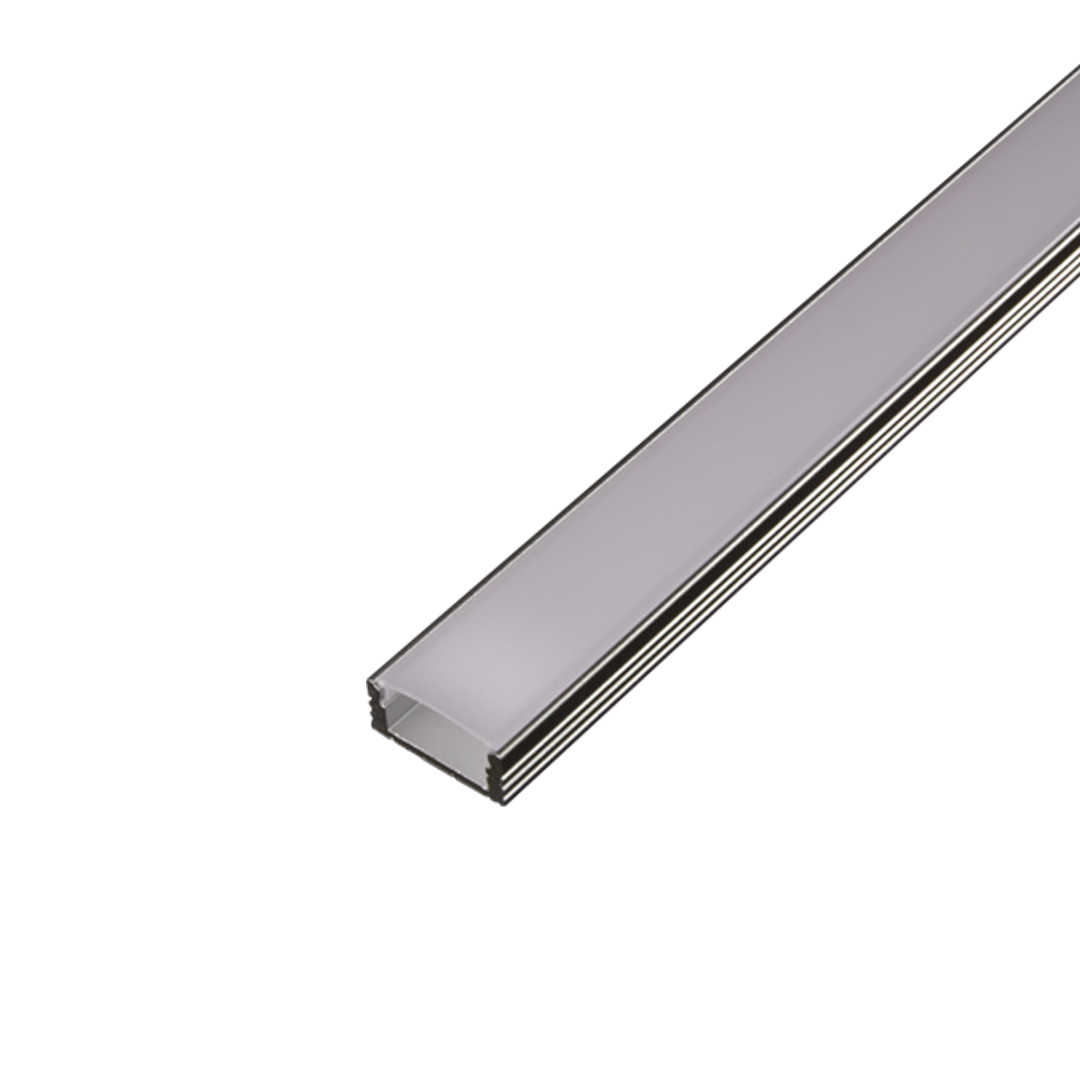
GM Lighting’s aluminum channels accepts all GM Lighting LEDTask flexible LED Linear tape. Perfect for installations that require a rigid extruded channel that the LED tape can be mounted into. Each channel and lens can be cut in the field to the desired length needed. GM Lighting’s aluminum channels accepts all GM Lighting LEDTask flexible LED Linear tape. Perfect for installations that require a...